


Author:
Green Steps
Short summary:
The 24 solar terms divide the traditional Chinese agricultural year into 24 roughly 15-day periods. Today we look into White Dew and what is means in our current bioregion.

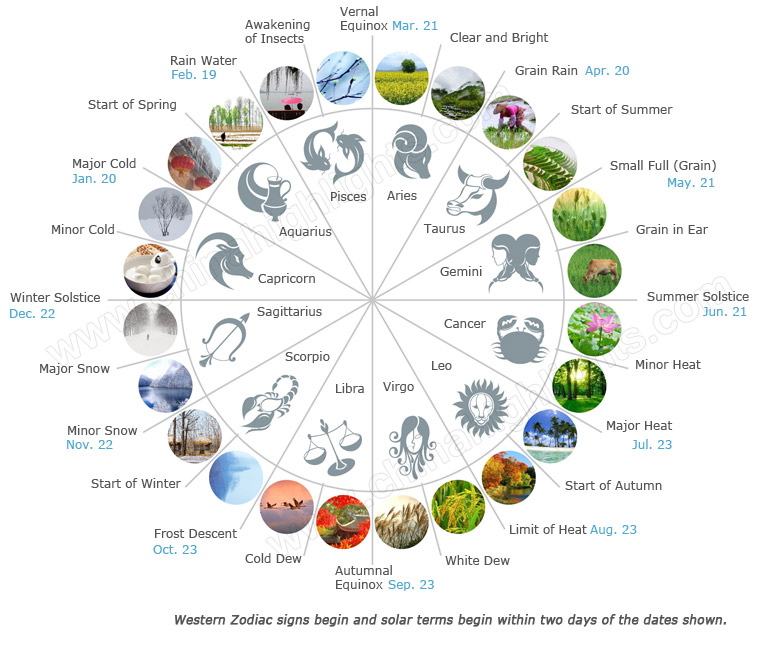
The 24 solar terms (二十四节气, Èrshísì Jiéqì) divide the traditional Chinese agricultural year into 24 roughly 15-day periods. They are based on the Sun’s position along the ecliptic, not directly on the phases of the Moon—so “Chinese lunisolar calendar” is slightly misleading here. The terms are solar markers embedded in the traditional lunisolar calendar. The dates shift by a day or two each year.
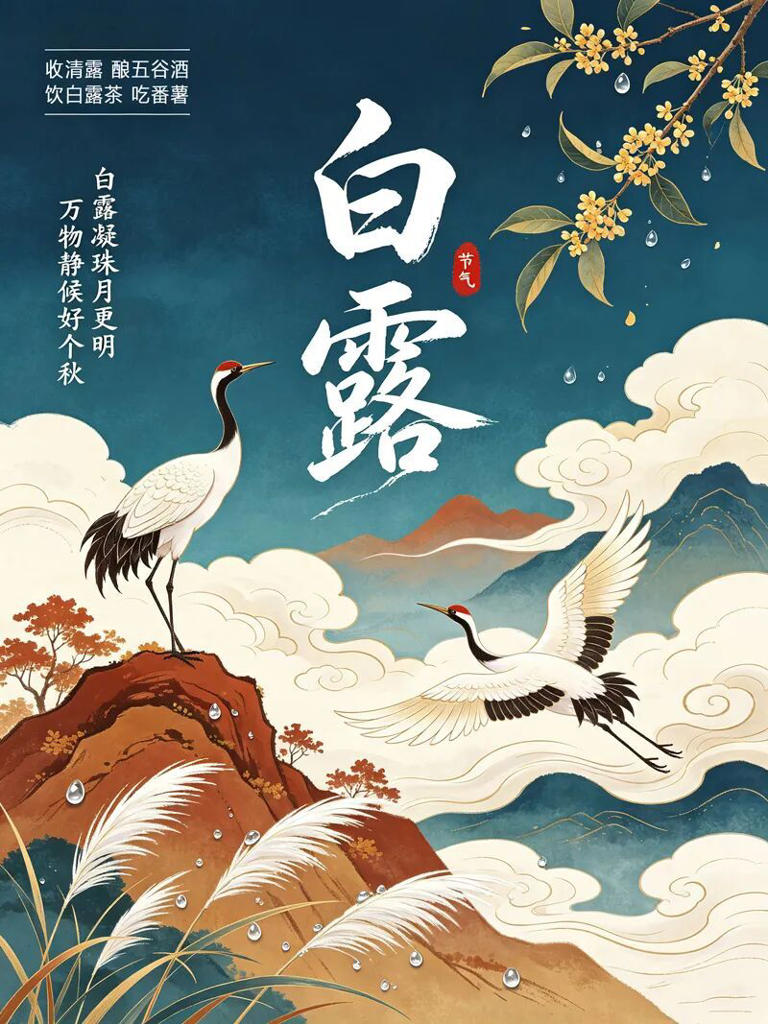
白露 marks the transition from late summer into early autumn. Nights become noticeably cooler, and the temperature difference between day and night causes dew to form on plants in the early morning. It is the first of the three “dew” terms and signals that autumn is becoming tangible. White Dew is the moment when autumn becomes visible in the morning.
Traditional significance
It represents a shift from heat and growth toward coolness, ripening and harvest. In traditional Chinese seasonal thinking, this is a time to adjust human activity and diet to the changing environment.
Typical customs
• 🍵 Drinking tea — especially “White Dew tea,” harvested around this period and valued for its mature, mellow character.
• 🍶 Making/drinking rice wine — particularly in parts of southern China, where Bailu rice wine is a traditional seasonal product.
• 🍇 Eating autumn fruits — grapes, pears, longan and other locally ripening fruits.
• 🌾 Harvesting — many crops are reaching maturity; agricultural work shifts increasingly toward harvesting and storage.
• 🌿 Seasonal nourishment — traditional food culture emphasizes adapting the diet to the cooler, drier season.
As a place-based learning prompt the solar term 白露 asks: “Where can we see autumn arriving?”
Students could go outside early in the morning to: Observe → measure → compare → interpret → connect
• Where does dew form, and where doesn't it?
• What plants hold dew particularly well?
• What happens to temperature overnight?
• Which birds, insects and plants are changing?
• What foods are ripening locally?
• How did people traditionally recognize the arrival of autumn?
• Has the timing of these phenomena changed?
The particularly beautiful thing about solar terms is that the phenomenon itself is accessible almost everywhere. Students don't need to know anything about Chinese culture first. They can encounter the seasonal phenomenon in their own place and then discover how another culture has named, observed and interpreted it
So, what does White Dew mean in my current bioregion?
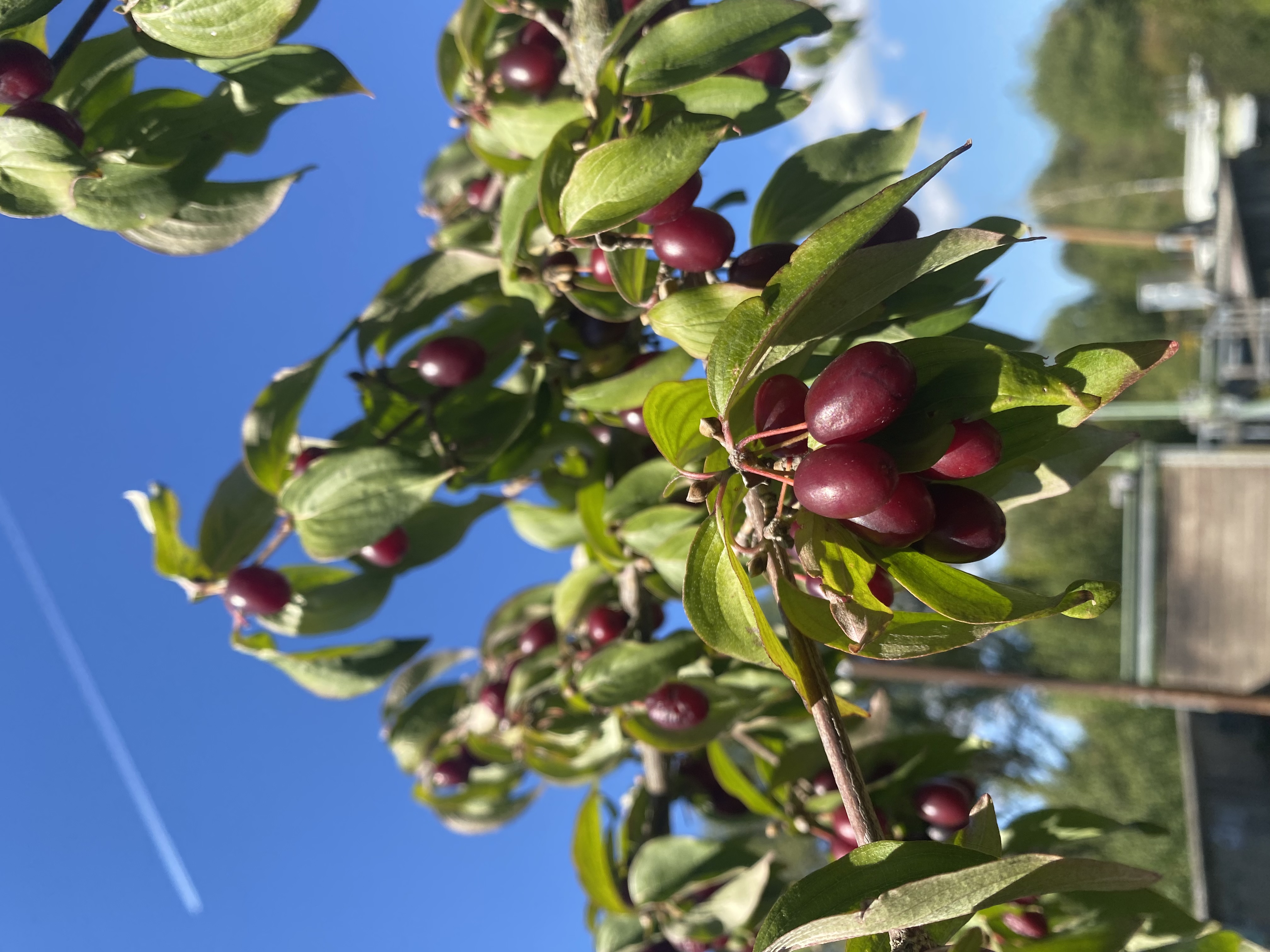
It feels sort of natural during these days to look for fruit ripening and one doesn’t have to look far. Cornus mas, a shrub which produces a cherry-like little fruit shines in dark red in parks and on farmland.
It only turns sweet when it is about to fall from the shrub’s branches and is therefore usually not harvested from the shrub, but large nets, reminding of fishing gear, are put up below the shrubs late in August. There they wait until the fruit drops, and like a catch of fish they are taken to the farm to be processed into juice, jam, liquor.
An what does White Dew mean in your bioregion?
Let us know and share a picture or a few lines: https://forum.ark.greensteps.me/chat/c/crew/2
