Author:
Green Steps
Short summary:
In the westernmost corner of the Mura-Drava-Duna 5-Country Biosphere Reserve, a rural innovation project is taking shape that aims to create participatory spaces and offer young people a future in their home region. Green Steps ARK was selected as the digital backbone for knowledge coordination.

What exactly is a makerspace?
If you’ve never heard of a makerspace, you’re in good company. The term is English, sounds technical, and isn’t self-explanatory. Even Günter Sterlike, who co-founded a makerspace in Amstetten in 2019, openly admits: the name isn’t ideal. To this day, many people still don’t know what it means.
So: What is it really? A makerspace is, at its core, a shared space where people work with tools, machines, and their hands. There are open workshops for wood, metal, and electronics. Sometimes there’s a 3D printer or a laser cutter. But above all, there are always people who want to share their knowledge.
At first, this sounds like a slightly more ambitious craft class for adults. But that doesn’t quite capture it. At their best, makerspaces are, first, alternatives to the throwaway society—at the monthly Repair Café, broken items are repaired, not thrown away. Second, they are meeting places for people who would otherwise never meet—from electricians to nutritionists, from students to retirees. And third, on a deeper level, they raise a question that goes far beyond crafting: What does a society lose when people stop making everyday items themselves—or at least playing a decisive role in shaping them? And what does it have to gain when this ability is consciously brought back to the forefront?
The concept of the “third place” is central to this debate. It originates in sociology and refers to places beyond the home and the workplace—and beyond school and formal institutions as well. Places where people meet as equals, where no hierarchy dictates who teaches and who learns. Historically, the local inn was such a “third place.” What can replace it when the inn closes and community life dwindles is one of the most pressing questions in rural spatial planning.
The answer that the project in southeastern Styria is exploring is: a place where people do things together. Where the act of doing itself sparks curiosity. Where questions arise that are then answered collectively—and in the process, people learn from others with very different life stories. Learning, doing, and sharing. A continuous cycle. Not a course, not a program. A vibrant community centered around doing.
The Role of ARK within interactive maker Spaces
The Biosphere Learning Platform is an innovative project component for developing open spaces for learning and action in the region along the Mur River in the Austrian-Slovenian border area. It connects physical spaces with the digital ARK platform, thereby creating “software as public infrastructure” for collaborative learning, hands-on activities, and regional cooperation.
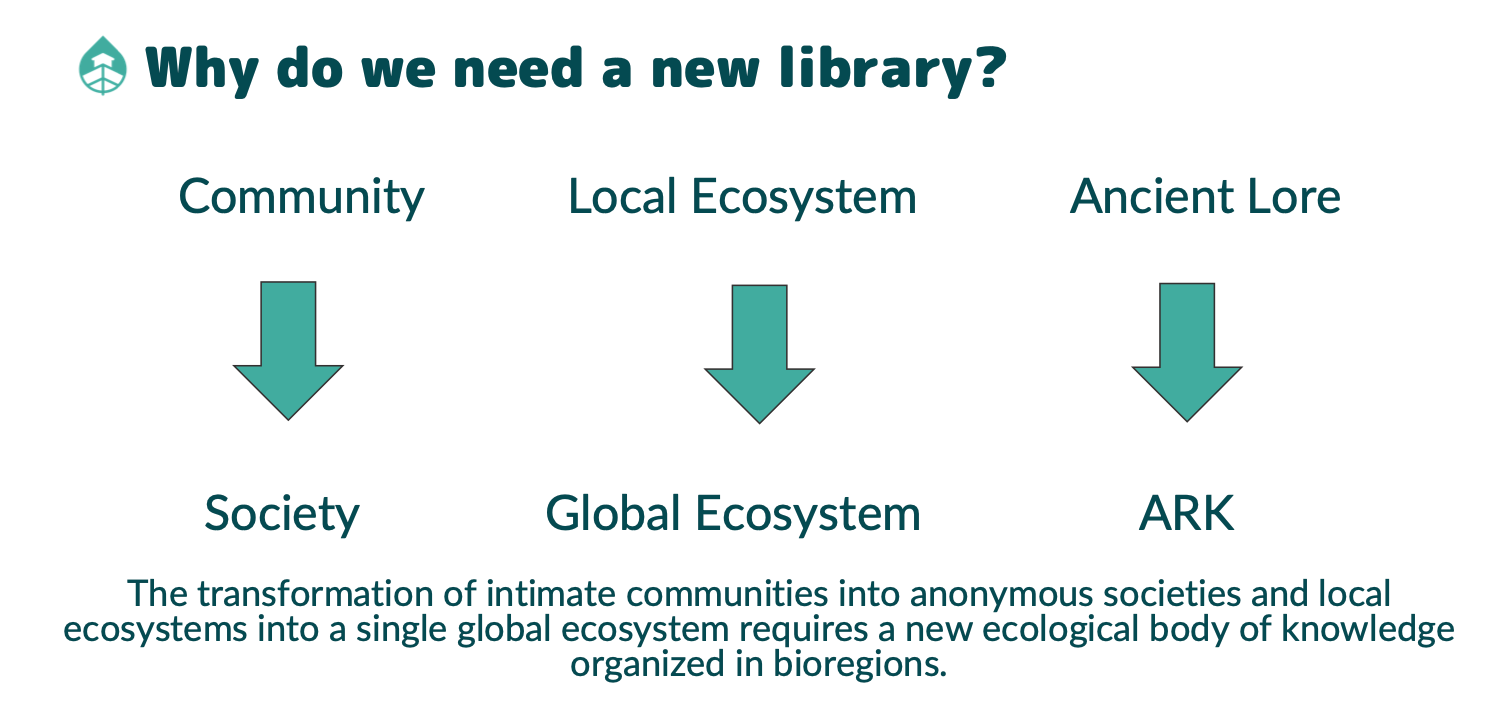
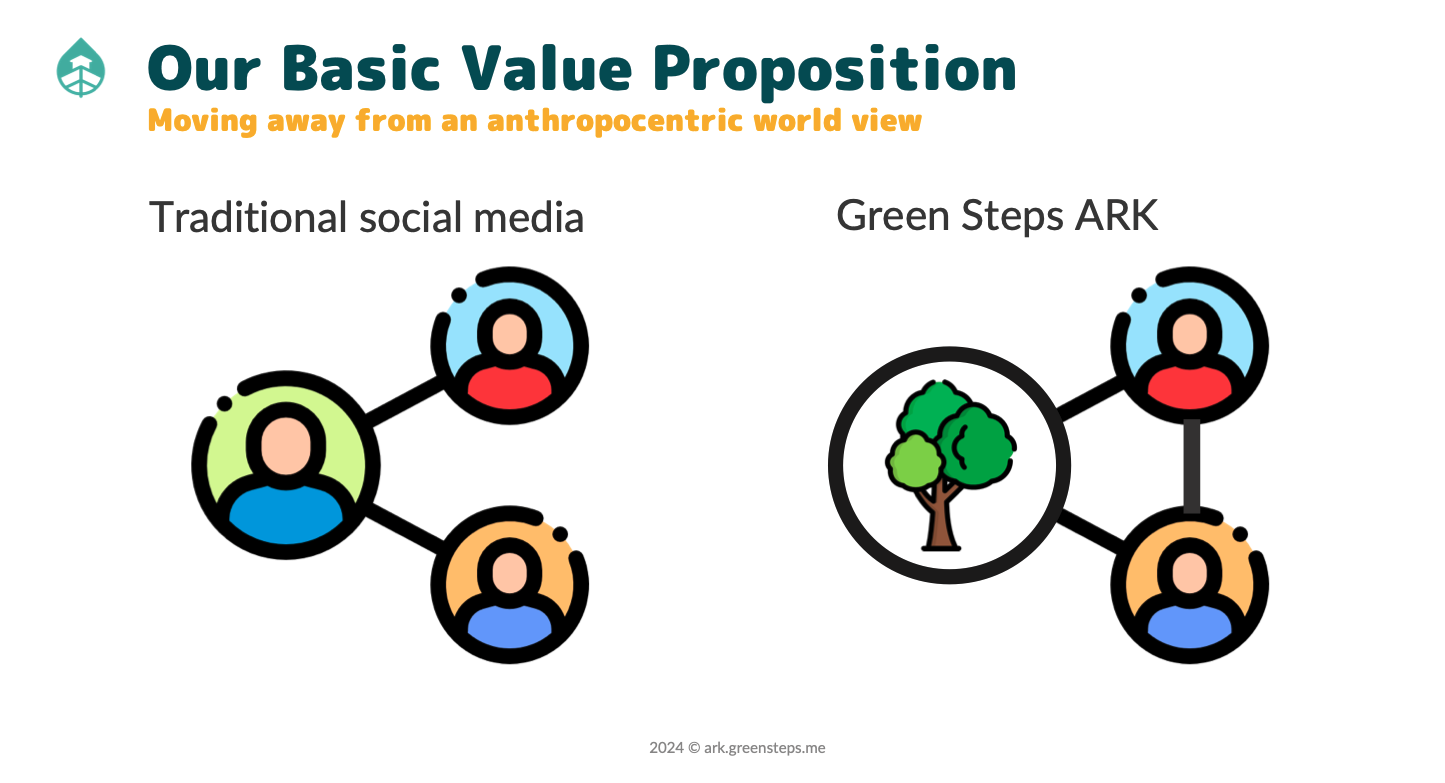
At its core is the idea of conceiving the region itself as a space for learning and action: a place where people of different ages, backgrounds, and skill sets come together to work collaboratively on concrete issues—ranging from ecological challenges and hands-on activities to cultural and social topics. A wealth of prerequisites for collective action lie in the natural environment and the ecosystem services it provides for humanity. When we see ourselves as part of nature and understand this, we recognize how it influences us every day and how culture can only meaningfully emerge by embedding itself within nature.
To transform this systemic perspective from an abstract concept into a lived reality, ARK combines the pedagogical method of place-based learning with bioregional education—that is, an extremely local form of learning in which students become a key resource for solving real-world problems—with the scientific insights of biogeography: https://ark.greensteps.me/library/bioregionen-eine-neue-weltkarte
The Biosphere learning platform was used in the INTERREG project MURA CALLING by the Green Steps association and BORG Radkersburg as a freely expandable “memory” for place-based learning. Particular emphasis is placed on involving children and young people, connecting nature and learning, and actively shaping the border region as a shared space for experience and development.
What exactly is the goal?
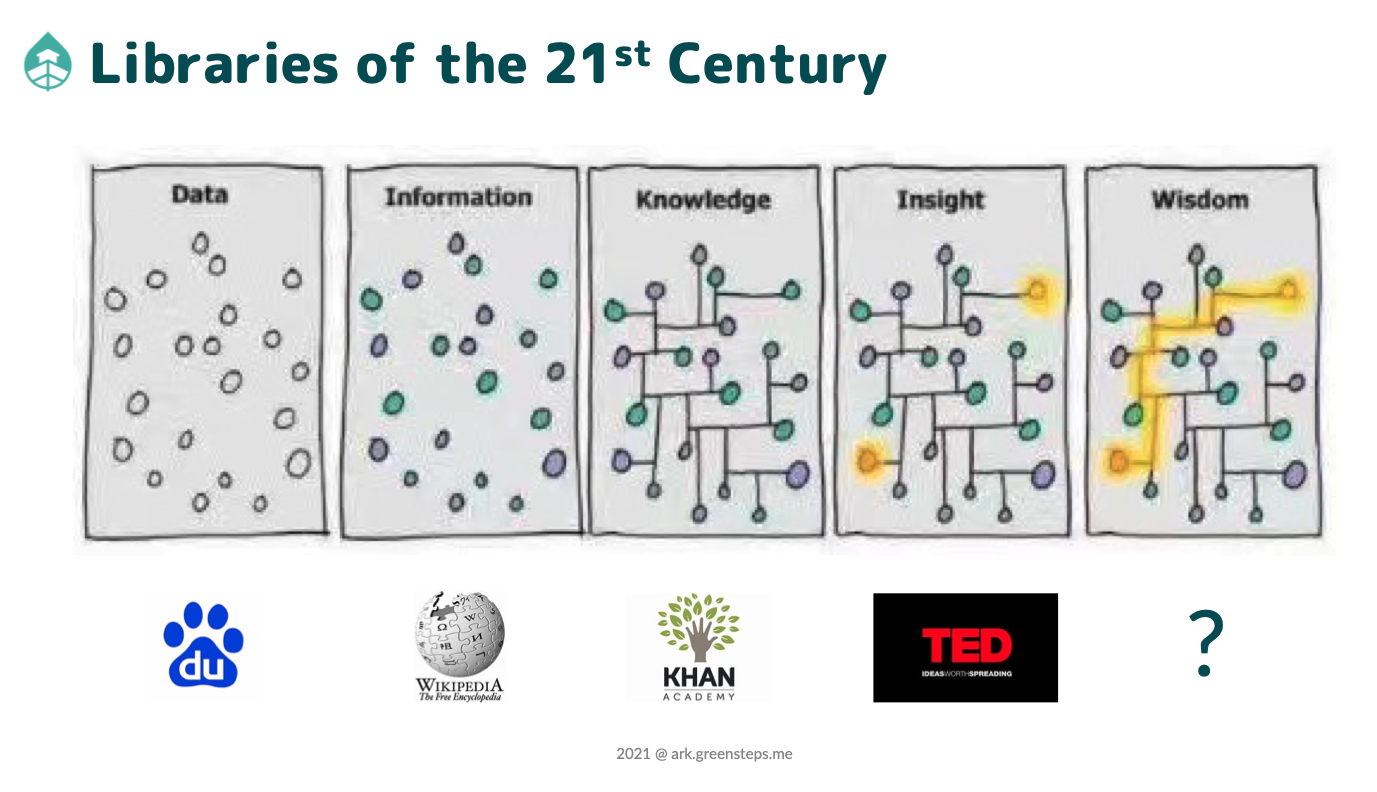
The digital platform supports and expands on on-site activities. It serves as:
- A documentation platform for projects and processes, organizing educational formats into a best-practice library that can be intuitively accessed and shared
- A learning platform with dynamic observation posts and long-term forums
- A networking tool connecting schools, initiatives, and international partners
- The “memory” of regional development
- A school information system that tracks students’ bioregional learning progress and enables teachers to define bioregional learning objectives.
The focus is not on formal e-learning, but rather on visualizing and sharing experiences from real-world activities.
A key component of the project is close collaboration with existing institutions, in particular:
- Schools (e.g., BORG Bad Radkersburg, middle schools, elementary schools)
- Biosphere Reserve facilities
- Local initiatives and associations
Place-based formats open up institutional learning spaces such as schools to other segments of the population and shift instruction from the classroom to the community and the region.
This was exemplified during the MURA CALLING action day (May 20, 2026), where high school students (upper secondary level) acted as guides (“Guardians”) to share their knowledge about the Mur River as a shared water body and the region’s history with elementary and middle school students as well as visitors. In this way, they connect with real-world practice in the regional context and become part of the regional process of discovery and development themselves.
Thematic Focus
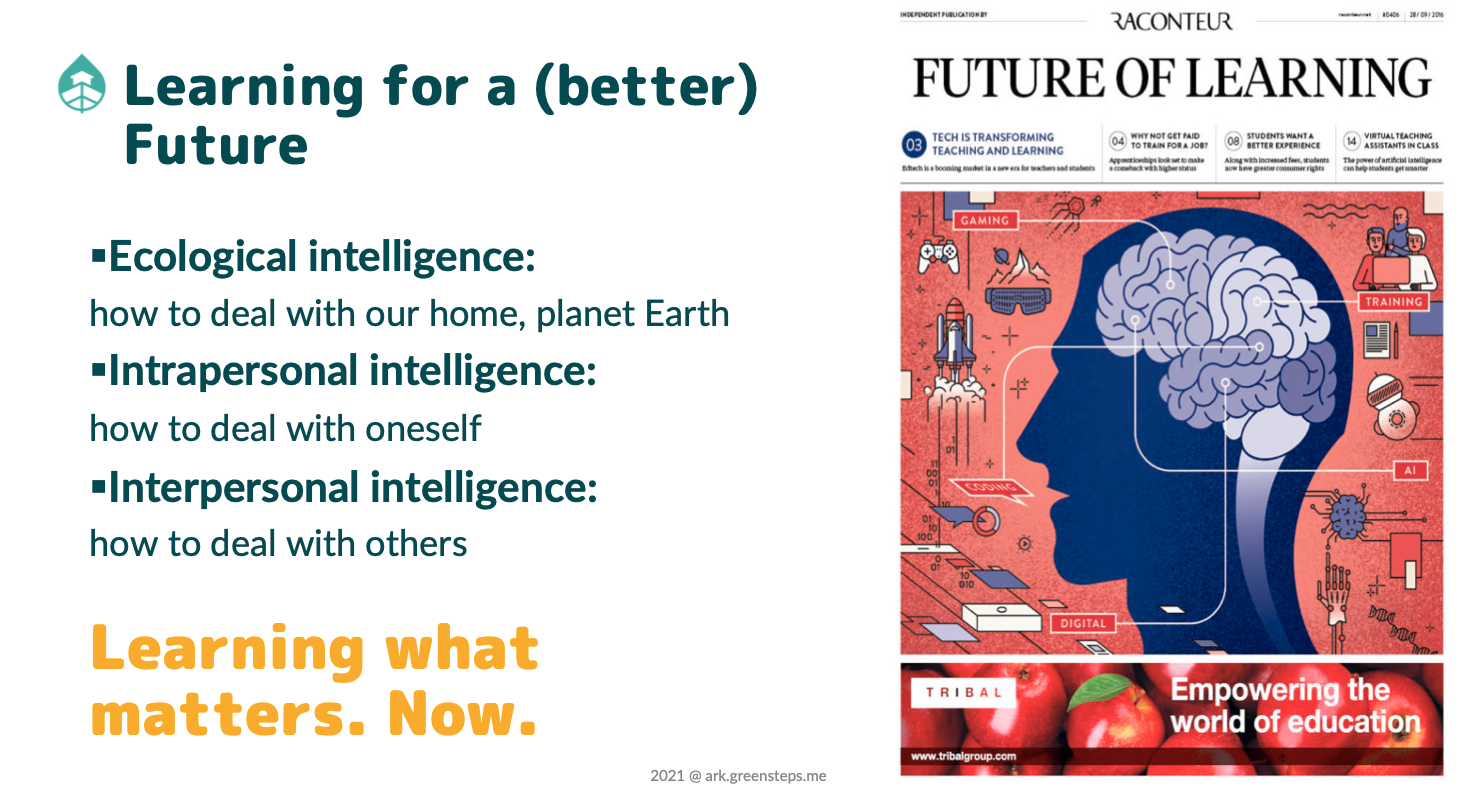
The activities focus on four interconnected thematic areas:
* Nature and Ecology: Work in the biosphere reserve, citizen science, off-site learning, project-based learning, sustainable practices, regenerative measures (reforestation and biodiversity conservation initiatives in the Natura 2000 area, the Sicheldorf ornithological diversity area, etc.)
* Youth and Aging: Learning by example, project-based formats, transactional memory
* Border Region and Culture: Austria–Slovenia cooperation, multilingualism, cultural exchange
* Crafts and Innovation: Repair culture, combining traditional and digital techniques (with the iHTL leading the way with its “repair café” model)
Levels of Support
The ARK could support the “makerspaces” initiative on three interconnected levels: as a network infrastructure, as a learning infrastructure, and as a governance infrastructure for the commons. The concept of makerspaces aims to connect local spaces where people can learn, experiment, collaborate, and contribute to the development of their region. This largely aligns with the ARK’s vision of transforming places into learning ecosystems and communities into co-creators of knowledge.
ARK as a Learning Infrastructure
One of the recurring challenges of community spaces is the documentation and sharing of knowledge. ARK already provides structures for:
• Learning Paths
• Events and courses
• Quests and routes
• Resource libraries
• Impact tracking
This would enable participatory spaces to evolve from isolated workshops into a distributed learning network where successful practices can be replicated across regions.
ARK as a Governance Infrastructure for the Commons
A central theme in Franz Nahrada’s work is participation and self-organization. ARK’s contribution-based governance model could help visualize the following:
• Volunteer Engagement
• Project contributions
• Administrative activities
• Mentoring initiatives
• Ecosystem restoration work
This creates transparency regarding the community’s contributions and helps communities experiment with more participatory forms of decision-making.
ARK AS A BIOREGIONAL LEARNING NETWORK
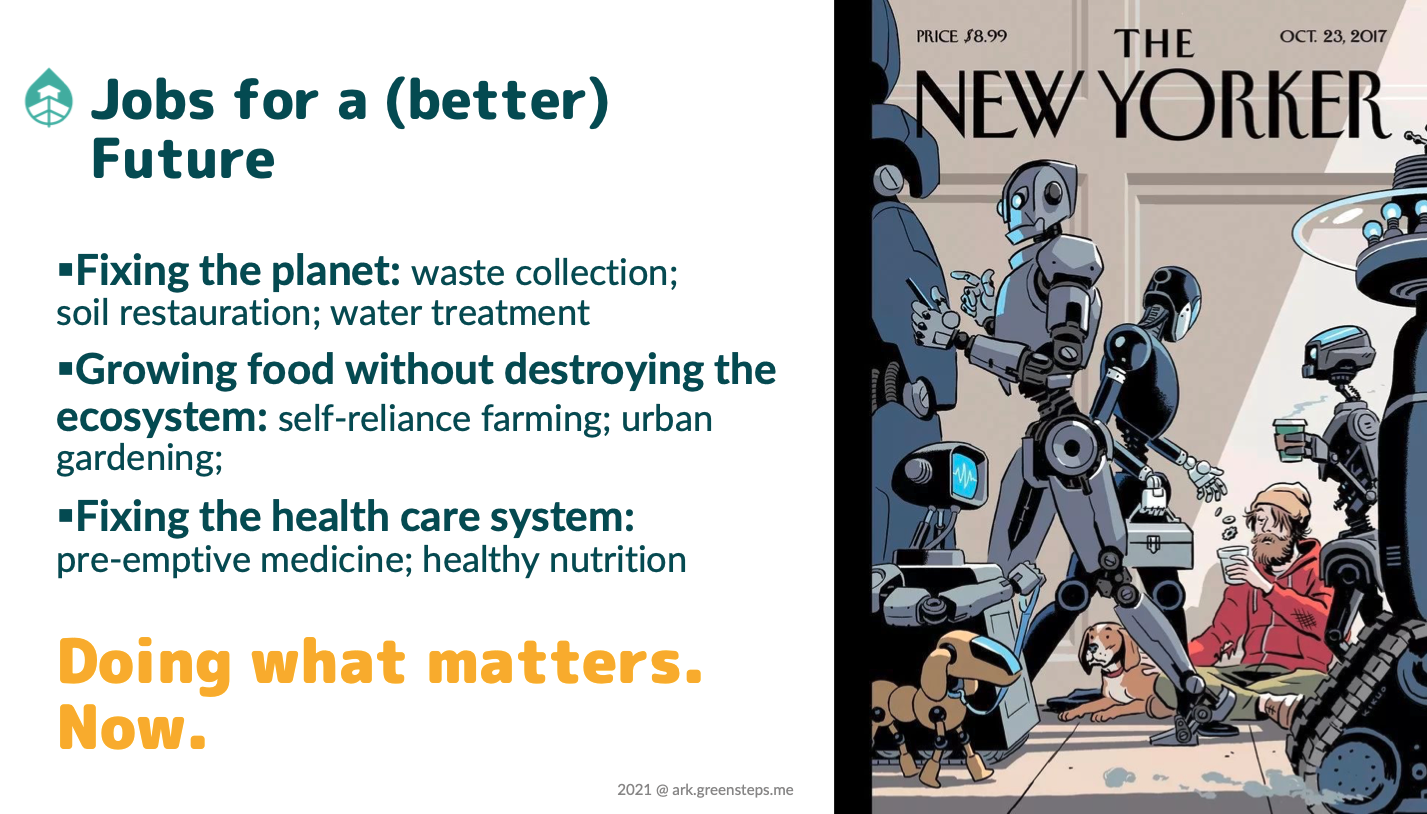
The combination of participatory spaces and ARK could become a bioregional learning network:
• Community spaces provide the physical locations.
• ARK provides the digital commons.
• Local projects generate knowledge.
• Knowledge is shared across the entire network.
• Communities develop their own “bioregional knowledge”—the collective understanding of local ecosystems, culture, history, skills, and resources.
In this sense, ARK is not just an event platform or a learning management system. It can become the digital memory and coordination layer of a distributed network of participatory spaces and help communities engage people, restore ecosystems, and get to know their bioregion. This comes remarkably close to the original ARK vision of “Activate Body & Mind, Restore Planet & People, Get to Know Your Bioregion.”
When will this happen?
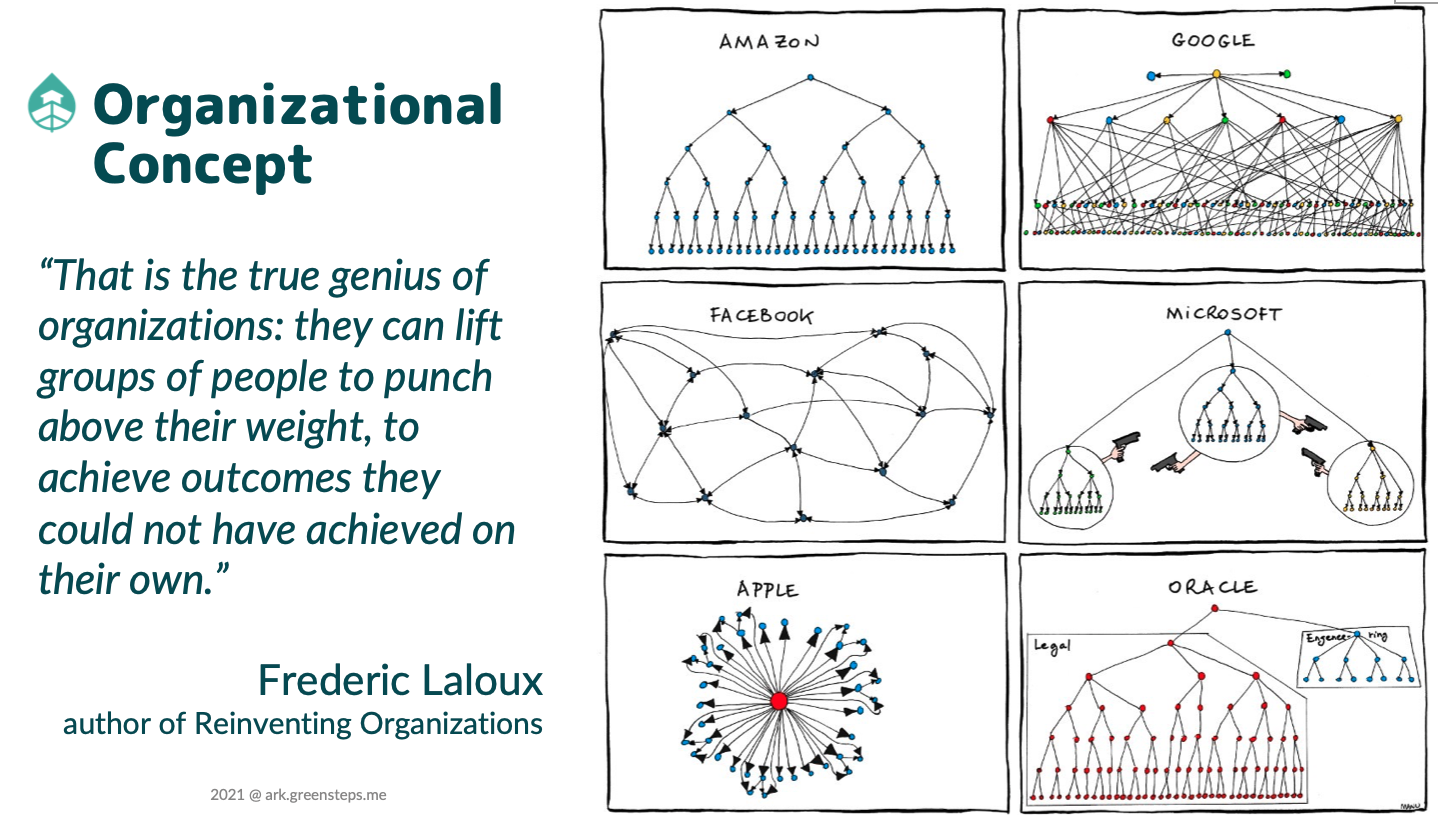
If Phase 2 of the Rural Innovation Systems program by the FFG is approved, the three-year implementation of the participatory spaces can begin as early as the end of 2026. The following implementation steps are planned:
Year 1:
• Review existing formats for applicability—specifically for the Community Whale Garden, Learning and Participatory Farm for Vegetable Gardening, Level Up Region, RepairCafe, Farmlab, Zeitdorf Radkersburg, Zwischenräume, Handwerkshof, Pollination Stations, etc.
• Create missing learning and action formats
- Convert educational and action formats from the other project outlines into templates (best practices)
- Identify local and regional learning and action destinations
- Organize phenologically relevant learning destinations according to the annual cycle
- Group learning destinations by age group
- Identify contact persons/experts for learning destinations
• Training on creating learning destinations and formats
• Aligning and adapting bioregional learning objectives
Year 2:
Same as Year 1
+ Guidance on learning formats developed by secondary school students for use in middle school, elementary, and preschool levels
+ Reciprocal visits by school groups between participating communities in the region
+ Training for representatives at new learning locations
Year 3:
Same as Year 1
+ Guidance on learning formats developed by upper secondary students for lower secondary, primary, and elementary levels
+ Reciprocal visits by school groups between participating municipalities in the region
+ Training for representatives at new learning locations
What are the benefits for the region and the target groups?
“Software as public infrastructure” is the idea that some digital systems have become just as fundamental to society as roads, electricity, water supply, or public transportation—and should therefore be treated, funded, regulated, and protected accordingly.
This idea has become increasingly important for four reasons:
1. Society is already structurally dependent on software
2. The market alone often fails to provide sufficiently trustworthy digital infrastructure
3. Open standards and interoperability are important for democracy and resilience
4. AI is dramatically increasing the stakes
Examples of software that is increasingly behaving like infrastructure:
• Identity systems
• Payment systems
• Educational platforms
• Health records systems
• Public communication layers
• Mapping and Geodata Systems
• Digital signatures
• Platforms for citizen participation
• Open knowledge databases
• AI models and datasets
Projects such as Wikipedia, Linux, Mastodon, Signal, or Estonia’s Digital Government Stack are often discussed in this context because they offer broad public benefits rather than just private shareholder value.
A few core principles are typically associated with this concept:
• open standards
• Portability/interoperability
• long-term maintenance
• public accountability
• Accessibility
• Privacy by Design
• Resilience against Monopoly Control
• Democratic governance
The strongest argument in favor of this is probably the following:
When essential social coordination depends on software, leaving all fundamental digital systems entirely at the mercy of short-term commercial incentives leads to systemic fragility.
This can already be observed when:
• Schools are dependent on proprietary ecosystems
• Local governments cannot easily migrate data
• scientific work depends on venture-funded APIs
• Communities lose access when platforms are shut down
• Critical open-source projects are maintained by exhausted volunteers
The Biosphäre learning platform provides multidimensional benefits:
For the individual participatory spaces
• Intuitive creation and management of educational and activity formats
• Professional sharing and retrieval of templates via the library
• Decentralized management of participants and their qualifications
• Engaging visualization of learning progress and community contributions
• Publication of events on websites
For the region
• Strengthening regional identity and cooperation
• New impetus for sustainable development
• Enhancing the border region as a shared living and learning space
For children and young people
• Hands-on learning opportunities outside the classroom
• Developing skills through hands-on experience
• Stronger ties to the region
• New perspectives for training and careers
For educational institutions
• Opening schools up to the region
• Integration of theory and practice
• New forms of project-based learning
• Making it easier for students and teachers to organize and visit decentralized learning destinations
• and making learning outcomes visible.
For the general public
• low-barrier opportunities for participation
• intergenerational exchange
• Visibility of one’s own abilities
• new social networks (Internet of Nature)
For migrants and new residents
• Access to local networks
• Opportunity to contribute one’s own skills
• Integration through shared activities rather than formal programs (which are mostly lacking in rural areas)
• Integration through visible contributions
How does this component relate to the overall project?
The Biosphere Learning Platform is an integrative component that connects and further develops existing initiatives and structures within a “software-as-public-infrastructure” framework.
It builds on the experiences of:
• DorfUni (networked learning in rural areas)
• MURA CALLING (cross-border cooperation and regional identity)
• local education and innovation projects
and translates these into concrete, locally rooted practices that can be easily accessed and shared. In this way, it serves as a bridge between education, regional development, and social innovation.
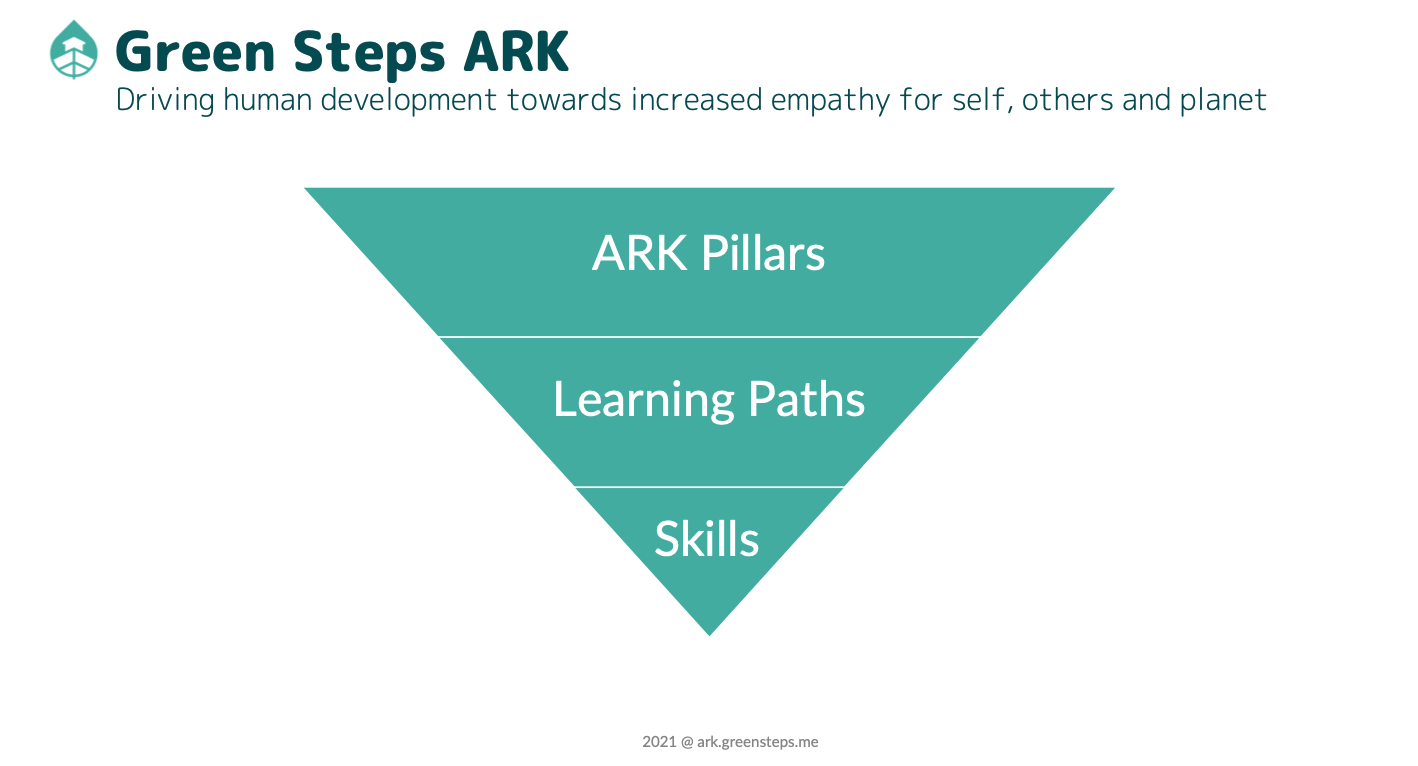
It is a social system that empowers people, communities, and institutions to implement regenerative activities in an effective, visible, and sustainably rooted manner. The ARK connects:
• education
• community action
• ecological regeneration
• Social and Economic Recognition
Read and listen more:
• Franz Nahrada on the Mitmachräume project: https://cba.media/769728
• Green Steps ARK – FAQs: https://ark.greensteps.me/page/faq-beta-de/
• Green Steps ARK – White Paper: https://www.researchgate.net/publication/355395623_White_Paper_-_version_04
• https://www.researchgate.net/publication/398573053_Skalierung_bioregionaler_Identitaten_im_5-Lander_Biospharenpark_Mura-Drava-Duna
• https://www.researchgate.net/publication/340023596_The_Breakdown_of_Nations_through_a_Bioregional_Blockchain
• Mobile Campus 4.0 as an Educational Strategy for Climate Change Adaptation
• Daniel Wahl: Reconnecting to Place for Planetary Health
Would you like to establish a learning space in your city or school, or connect your school to the bioregion?
• Contact Green Steps at team@greensteps.me
Subscribe to our newsletter:
• https://www.greensteps.me/membership.php
